
The first year I grew too much, I lost more to the compost heap than to slugs. Beans, courgettes and a hundredweight of tomatoes all arrived in the same fortnight, and I stood at the stove at midnight wondering why I'd bothered. The garden wasn't the problem; the calendar was. Now each month has one or two preserving jobs attached to it, sized to fit an evening rather than a weekend. Everything below shifts by two to four weeks depending on where you garden.
How This Calendar Works
Two habits make the difference. Match the preserve to the size of the glut — a punnet of strawberries is a jar of jam, twelve kilos is jam plus frozen fruit plus fruit leather. And do the small jobs on the day you pick, the big ones the morning after. A night in the fridge does no harm; three nights does.
Treat the months as prompts, not rules. If your rhubarb is ready in April, start there. Keep a note taped to the freezer door listing what's inside and when it went in. It saves buying blackcurrants in January when you already have eight bags at the bottom.
May and June: The Gentle Start
Rhubarb asks for attention first, from late April into June. It freezes poorly as raw chunks, so stew it lightly with a little sugar, cool it, and freeze in crumble-sized tubs. Cordial is quicker: simmer chopped stems with sugar and water, strain, bottle, dilute to taste. Stop pulling stems by midsummer so the crowns recover.
Wild garlic leaves become pesto — blitz with nuts, hard cheese, oil and lemon, freeze in ice cube trays, then tip the cubes into a bag. Elderflower cordial follows in late May and June: steep the flower heads in hot sugar syrup with lemon, strain, and freeze in bottles rather than crowding the fridge. Elderberries come later and need cooking before they're eaten. If you make fermented elderflower drinks, keep the bottles somewhere cool and check them often; they build pressure.
July: Berries Come Fast
Strawberries, gooseberries, currants and the first raspberries arrive together. Freeze strawberries whole — hull, spread on a tray, freeze, then bag — so they stay separate instead of welding into a block. Strawberry jam on its own is low in pectin, so pair it with gooseberries or a tart apple, or use a pectin made for low-sugar recipes. Gooseberries need no help and take elderflower or mint well. Cook blackcurrants with a little sugar and freeze the compote for yoghurt in January.
August: Peak Glut
This is the month that decides whether you enjoy the plot or resent it. Courgettes, cucumbers, tomatoes, French beans and the first chillies land at once.
- Courgettes: grate and freeze in 500g bags for fritters and cakes, or slice, salt for an hour, and pack in brine as a fridge pickle.
- Cucumbers: fridge pickles are ready in two days. For longer keeping, ferment them in a salt brine, weighted so nothing floats, following a tested ratio.
- French beans: blanch for two minutes, cool in iced water, dry, then freeze flat.
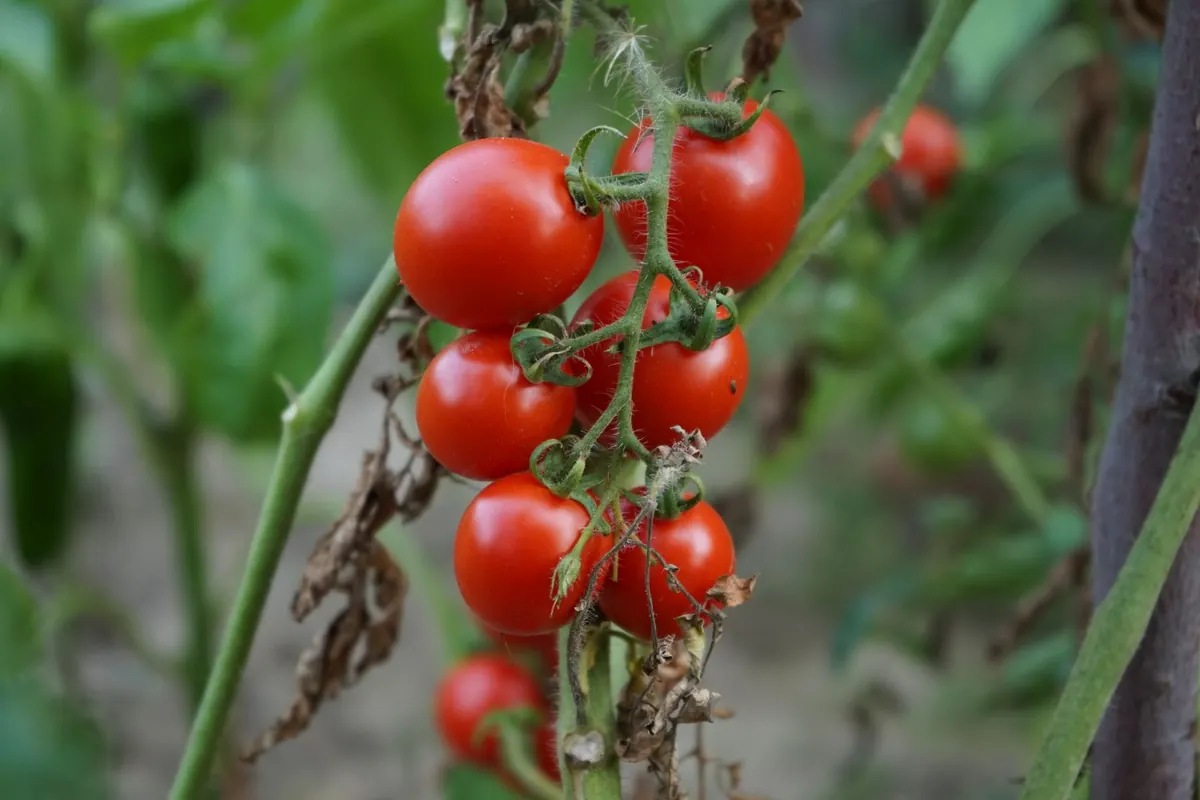
- Tomatoes: freeze whole — the skins slip off when thawed — or cook down to passata and reduce by half before freezing to save space.
Chillies freeze well whole, dry on a string, or ferment into sauce. Wear gloves for the hot ones.
September and October: The Big Preserving Months
Plums, apples, pears, the main tomato crop, beetroot and squash all come in now. Plan two or three half-days rather than one long push.
Plums, Apples and Pears
Halve and stone plums and damsons for jam, for chutney with onion, apple, vinegar and spice, or for fruit leather dried slowly in a low oven. Apples become sauce, chutney, dried rings and frozen slices for pies. Windfalls go to juice, or to apple scrap vinegar: cores and peelings covered with water, stirred daily, strained after a fortnight, then left to sharpen.
Beetroot and the Last Tomatoes
Beetroot is the easiest pickle to get right. Cook it whole and unpeeled, then rub the skins off to keep the colour. If frost threatens, pick green tomatoes and ripen them on a tray indoors, or turn them into chutney instead.
November: Roots, Squash and the Last of the Green
Cure squash and pumpkins for a week or two somewhere warm and dry, then store them cool and dark at around 10–15°C, not touching, on slatted shelves. Anything bruised should be roasted, pureed and frozen. Dry onions and garlic until the necks are papery, then plait or net them in a cool, airy place. Carrots and beetroot keep in boxes of damp sand, or blanch and freeze them if space is short.
Kale, cabbage and leeks don't store, but they ferment. A jar of sauerkraut takes twenty minutes and then sits quietly on the counter. Use a tested recipe for the salt ratio, keep everything under the brine, and taste as it develops.
December to April: Slow Season
Winter preserving changes shape rather than stopping. Seville oranges arrive in January for marmalade, along with forced rhubarb. This is the season for using what's stored: turn frozen fruit into jam on a cold afternoon, make chutney from the last squash, restock the pickle shelf. Sort through squash, onions, apples and potatoes every few weeks and cook anything softening, freezing the pulp for crumbles.
Keeping the Kitchen Manageable
Three rules do most of the work:
- One preserve a week. Pick the job that matches the ripest thing on the plot and ignore the rest.
- Prep on the day, cook the next morning. Hull, pit and refrigerate as you harvest; process when you're fresh.
- Size batches to your jars. Two litres of chutney belongs in eight small jars, not two enormous ones.
Follow tested recipes for anything you plan to store at room temperature, particularly low-acid vegetables. Jam and pickle recipes are built around specific sugar and acid levels for safety, so don't cut the sugar or add oil and garlic to a jar headed for the shelf. If you're new to water-bath or pressure canning, work from a published, tested source rather than a hunch, and check current food preservation guidance for your region.
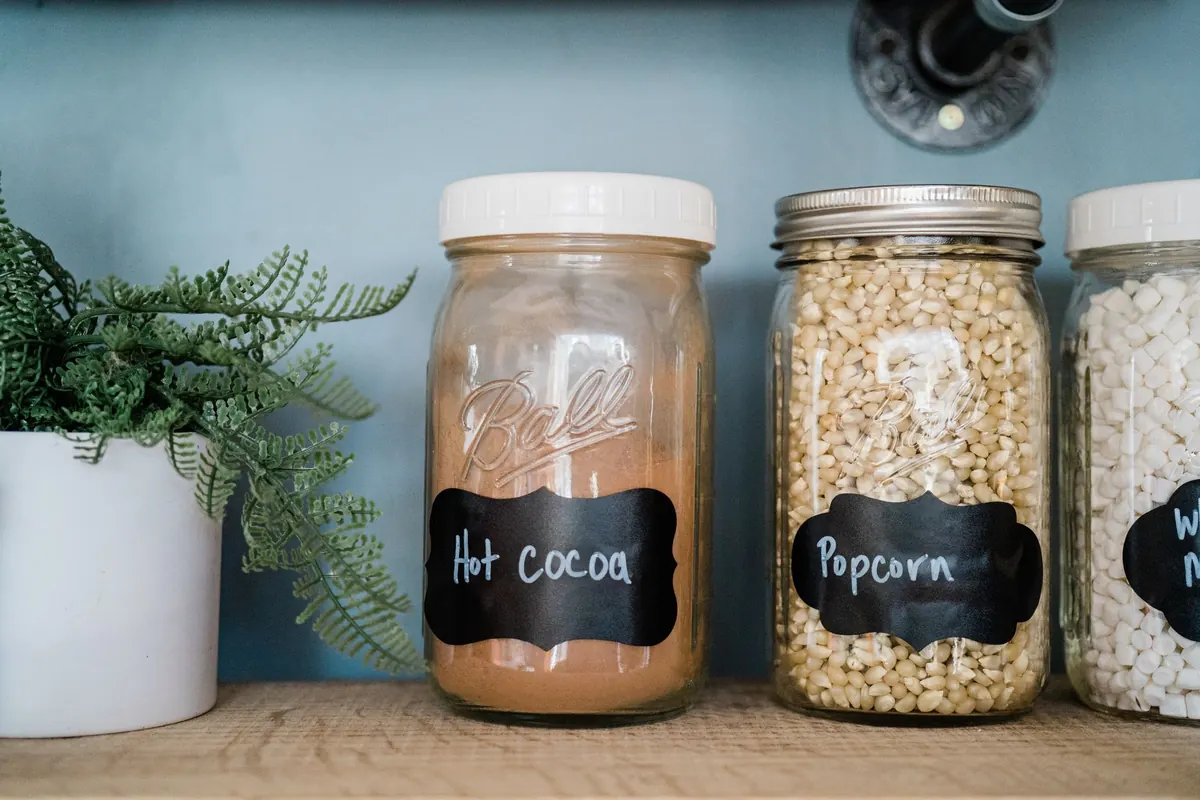
And label everything with the month. A jar marked "September" tells you more in February than a shelf of anonymous glass.
Related posts
More stories you’ll love reading